
War Time Economics
personal and otherwise

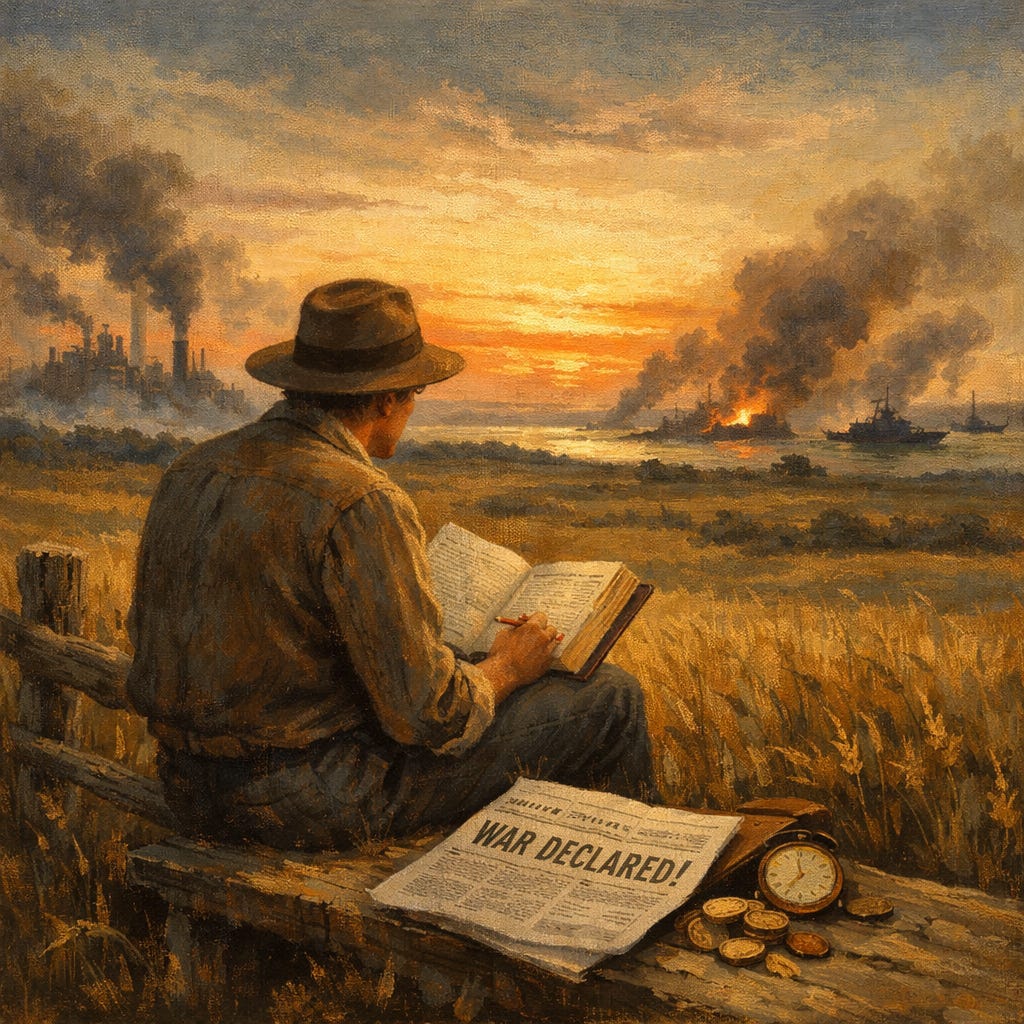
Well, you can’t say you didn’t see it coming, eh? Any astute reader of history knows that we humans are born to trouble as sparks fly upward. Wars and rumors of wars. You can depend on it; no decade will slip by without a few bombs falling somewhere.
I’m not here for the politics, that’s for the birds.
I’m here for War Time Economics. What an interesting topic, fraught with mines (pun intended), both real and imagined.
If you are an astute student of history, you will know that war can have a variety of interesting effects on our economy. One could argue that there are different types and sizes of wars, each accompanied by its own economic booms and busts. It’s truly hard to know, at any particular point, if we are victims of macro-economics at large or the wartime jitters.
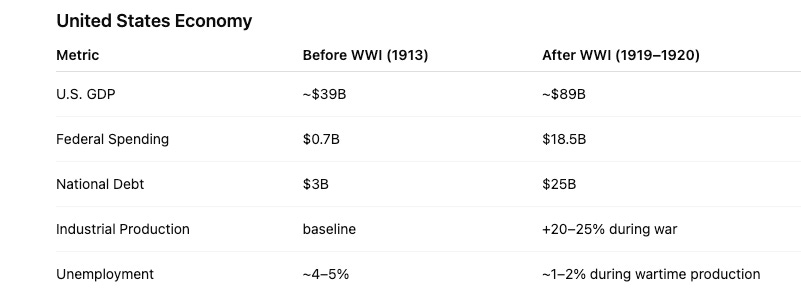
Wars and Economies of the Past, and Future?
I read a lot of history, like probably too much, mostly American History … because it’s the best history, duh. I’ve pumped through a fair share of Revolutionary War, 1812, Civil War, WWI, The Great Depression, and WWII material to make a history teacher blush.
While wars indeed have a terrible human and societal cost, the economic side might not be as bad as you think. As long as you are on the winning side, that is. It does make one wonder the connections between Captiliam as its finest, and the war mongers, past, present, and future … who are always in the dark hallways of power, whispering words.
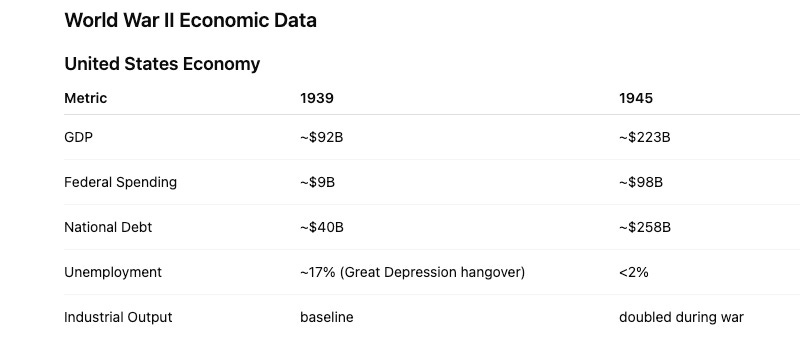
Smarter people than I have written volumes on this topic, but who’s going to stop me from throwing my hat in the ring?
Contrary to popular belief, ALL wars are typically won by the size and ability of the supply side of the equation.
The industrial complex of the North done whopped the South back when brother was fighting brother up and down the Mississippi Valley and far out through the valleys of the East. You can’t fight a war without agriculture, mining, manufacturing, workers, banks … and the list goes on.
The infamous Great Depression was ended by the drumbeats of war. It takes a lot of work to make a tank, from ore to someone stitching leather, and everything in between. It’s a curious and strange thing, isn't it? Yet the world has changed; we live in a global economy where it’s uncommon for something to be built end-to-end in these most glorious United States.
For instance, what has happened to Russia and Ukraine during this long, drawn-out battle?
One also has to know that these macroeconomic factors related to war play out over long periods; sometimes it’s hard to see the forest for the trees.
Russia-Ukraine conflict.
I mean, by the end of World War II, much of Europe was in a strange place, starving without the bread they needed to make it through the week. Yet the United States, in all its glory, as a new World Order, was overflowing with resources, enough to ship it all over seas to keep everyone else growing and fed.
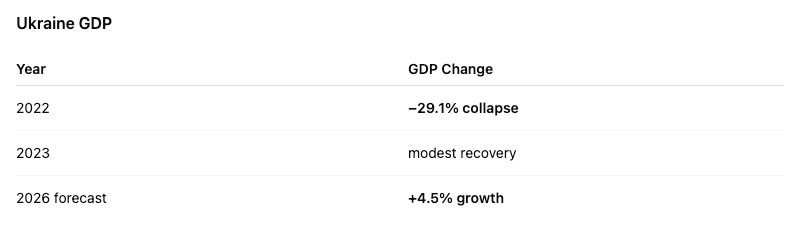
I mean, who knows what will happen in the future, but strange things can be seen happening, although the future will write the complete history, it’s hard to have 20/20 vision in the midst of the dolldrums.
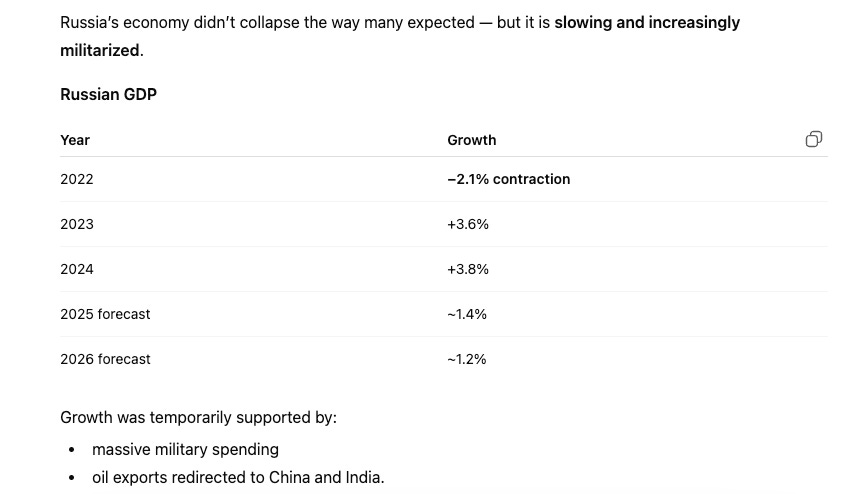
Beauty is in the eye of the beholder, and it probably depends a lot on what the macro-economic climate looked like before any “conflict” kicked off. If times were hard, there is a good chance War Time Economics might give ‘em the ole’ shot in the arm, little booster. The only way to wage war is to produce things, which usually leads to an outflow of money and resources.
But, if someone drops a bomb on your oil pipeline or highway, well … that’s a problem isn’t it.
What should you do?
Well, the war hounds have been unleashed again, and here we are, already in unsteady times. Layoffs for years, political unrest, AI taking over the world, wars, it never ends, does it? Silver and gold through the roof, crypto bros buying airplanes. What a time to be alive in.
So, should we be stuffing cash under our bed, burying gold in the backyard?
My Wartime Economic approach is probably a little rough-and-tumble to some. I figure if one lives within one's means, saves and invests meaningful amounts on a regular basis, then we should simply sit back and put our feet up.
Truth be told, the economy on the jitters usually means one thing for the average investor like you and me. Keep your finger on the trigger (pun intended). From an economic point of view, it doesn’t really matter to us what sort of saber-rattling is going on around the world.
Let oil prices spike if they want.
We just need to do what we’ve always done, and buy through the good times and the bad. So what if the sky is falling? That means we buy our Vanguard funds rain or shine. In fact, the more we can manage to scoop up when it’s raining outside, and everyone has the War Time Blues, the better we will probably come out in the end.
When was the last time you walked past a wad of cash lying in the grass?
That’s essentially what can happen during War Time Economics. Things go bump in the night, or bang, and the markets do a little dive. Sure, we don’t time anything; we just bide our time and recognize an obvious opportunity when we see one. History tells us we will be ok, and things will return to normal at some point.
“Que sera, sera”
- some song
Good reminder to keep our heads down and keep buying. I would also love to understand your perspective on Sequence of Return Risk in case such downturns happen close to FIRE?